
Arrest Records in Fort Bend County
A Fort Bend County arrest can create four related record streams. The arresting agency writes the offense or arrest report. Jail staff create an intake and custody record. The magistrate records warnings, probable-cause findings, and bond action. If prosecutors file a charge, the correct clerk opens a criminal case. Fingerprints and event data for a qualifying arrest also travel to the Texas Department of Public Safety Computerized Criminal History system.
Those sources can disagree for a time. The initial officer charge may be rejected, reduced, enhanced, or replaced by the filed information or indictment. A booking entry can remain visible after release, while a court case may not yet exist. The DPS public product is narrower than a full fingerprint-based self-review. Treat each Fort Bend County arrest record as one part of the chain, then verify the fact that matters with its custodian.
The Fort Bend County Sheriff's Office provides the official detention and records routes used for county arrests.
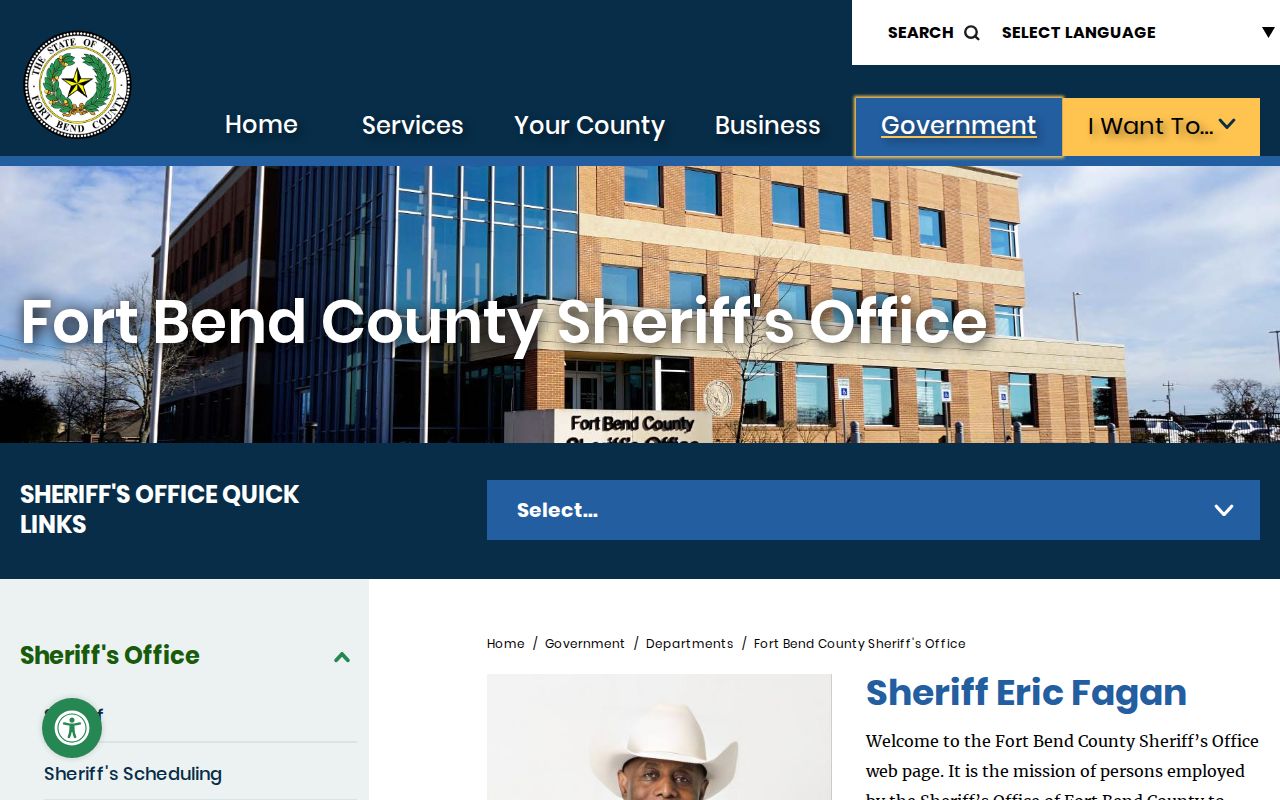
The Sheriff's page is a gateway, but the jail search and Records Division answer different questions.
Fort Bend Jail Inquiry Search
The FBCSO Jail Public Information Inquiry is the official recent-custody path. Enter a full or partial last name, first name, or both, submit the search, and select a result for detail. The site states no account or fee. Because the inquiry is a current-custody locator, a blank result means the person is not currently found in that live system. It does not prove that no Fort Bend County arrest occurred.
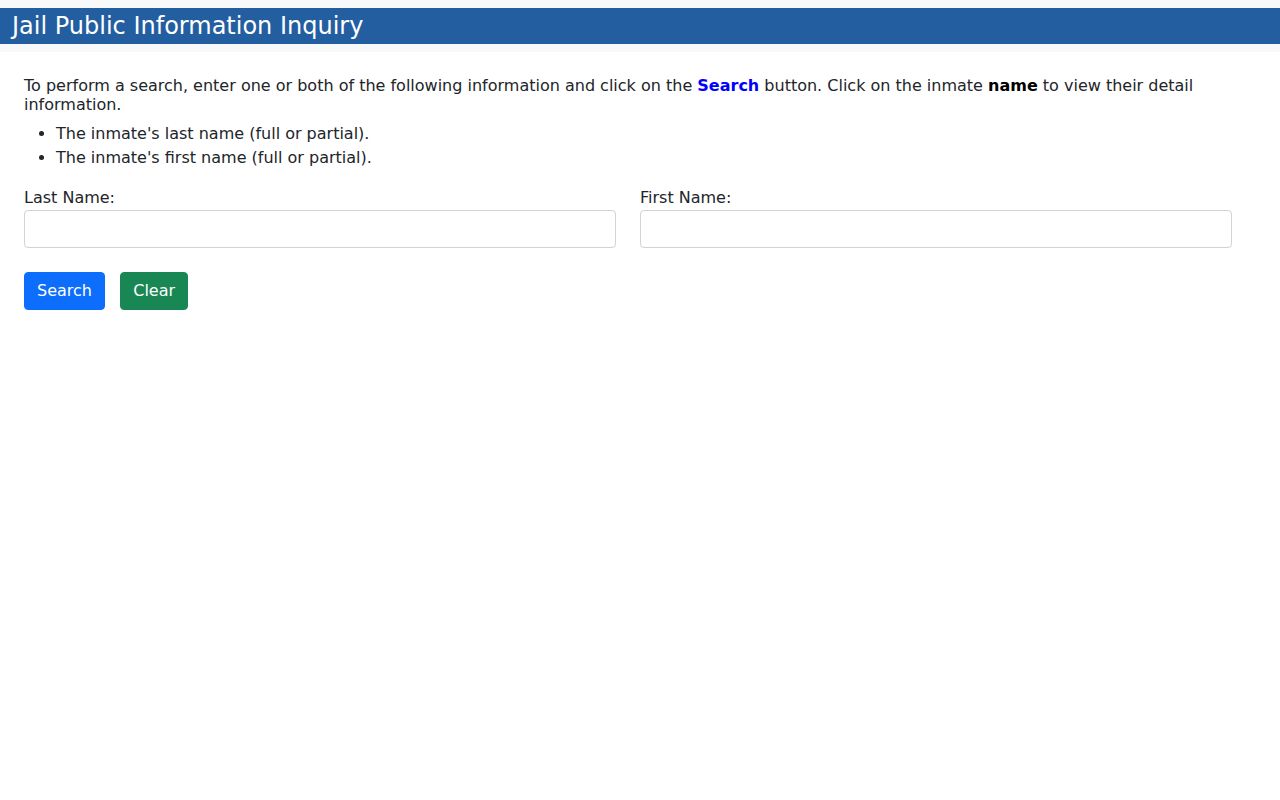
The simple name form makes recent booking checks quick, but historical research belongs with the records office and court clerks.
Open the detail and note the JID or booking identifier, booking date, custody status, charge text, cause or warrant reference when supplied, and bond information. Do not label the charge a conviction. Search results can change after a release, transfer, new hold, or database update.
Fort Bend County Arrest Lookups
A sound Fort Bend County arrest lookup follows the event through custody, the originating agency, and the courts. It also uses state systems for a self-review or post-transfer custody. No one portal covers every arrest date and outcome.
- Search the FBCSO jail inquiry by full or partial first and last name for current custody.
- If a result appears, record the JID, booking date, charge text, bond, and arresting agency without treating them as proof of guilt.
- Request the arrest or offense report from the agency that created it. A city police report stays with that city even when the county jail handled booking.
- Search the District Clerk for a felony filing and the County Clerk for a Class A/B misdemeanor filing. Check the issuing municipal or justice court for its fine-only case.
- Use the DPS Criminal History Name Search for the public conviction/deferred subset, or TXIReview fingerprints to review your own more complete Texas record.
- For an older Sheriff record, send a written request by email, mail, fax, app, or lobby. Call the Records Division when routing needs confirmation.
- After a state-prison transfer, switch to TDCJ. Use federal channels only for a federal case or custody.
A missing case immediately after booking can reflect charging delay rather than an error. Fort Bend County Court at Law 5 notes that some unfiled misdemeanor matters may be reset for two to three months. Search again or contact the proper clerk with the booking and agency references.
Which Fort Bend Arrest Agency
Fort Bend County includes the Sheriff, four constables, city police departments, Texas DPS troopers, and school or campus agencies. The county jail may hold the person without owning the original report. Identify the arresting agency in the jail detail, citation, bond paper, or case record before filing a request.
| Arresting agency | Official records route |
|---|---|
| Fort Bend County Sheriff | Records Lobby, 1410 Richmond Parkway; 281-341-4625; fbcsorecords@fortbendcountytx.gov |
| Constable Precinct 1 | 281-238-1430; ConstablePct1@fbctx.gov |
| Constable Precinct 2 | 281-403-8010; county directory contact |
| Constable Precinct 3 | 281-242-4014; Constable3@fbctx.gov |
| Constable Precinct 4 | 281-341-4536; county directory contact |
| Sugar Land, Missouri City, Fulshear, Rosenberg, Richmond, Stafford, or Needville police | That city's public-information custodian or police records route |
| Texas DPS or school/campus police | DPS public-information channel or the institution's public-information officer |
A Sugar Land police arrest can lead to a Fort Bend County booking and then a district or county-court filing. The report still comes from Sugar Land. The same rule applies to each city and independent agency.
Arrest Records: What They Contain
Agency and booking files have different field sets. An agency arrest report can include the incident date, location, officer, probable-cause narrative, asserted offenses, warrant reference, evidence, and transport destination. The jail adds intake and custody data. Protected victim, juvenile, medical, Social Security, driver-license, investigation, or address information may be redacted under Texas law.
| Agency and incident number | Identifies who created the report and the event file used for a request. |
|---|---|
| Arrest facts | May show date, time, place, officer, asserted offense, and probable-cause narrative. |
| Warrant or capias reference | Links the custody event to judicial process when one was used. |
| Booking and JID | Identifies the Fort Bend jail intake event and supports later records requests. |
| Charges and bonds | Shows the jail's current charge text and bond entries, not the final court result. |
| Custody outcome | Can reflect release, continued hold, transfer, or other detention status. |
A public jail detail may include a photograph or demographic field, but sensitive classification, medical, precise housing, and protected identifiers are not promised. No live personal profile should be copied into a separate arrest gallery.
Fort Bend Arrest Report Requests
The Sheriff Records Division is the fallback for Sheriff-created offense reports, accident reports, arrest affidavits, and local criminal-history checks. Reports are not released from the jail counter. The Records Lobby is at 1410 Richmond Parkway, Richmond, Texas 77469, and operates weekdays from 8:00 a.m. to 4:00 p.m., excluding holidays.
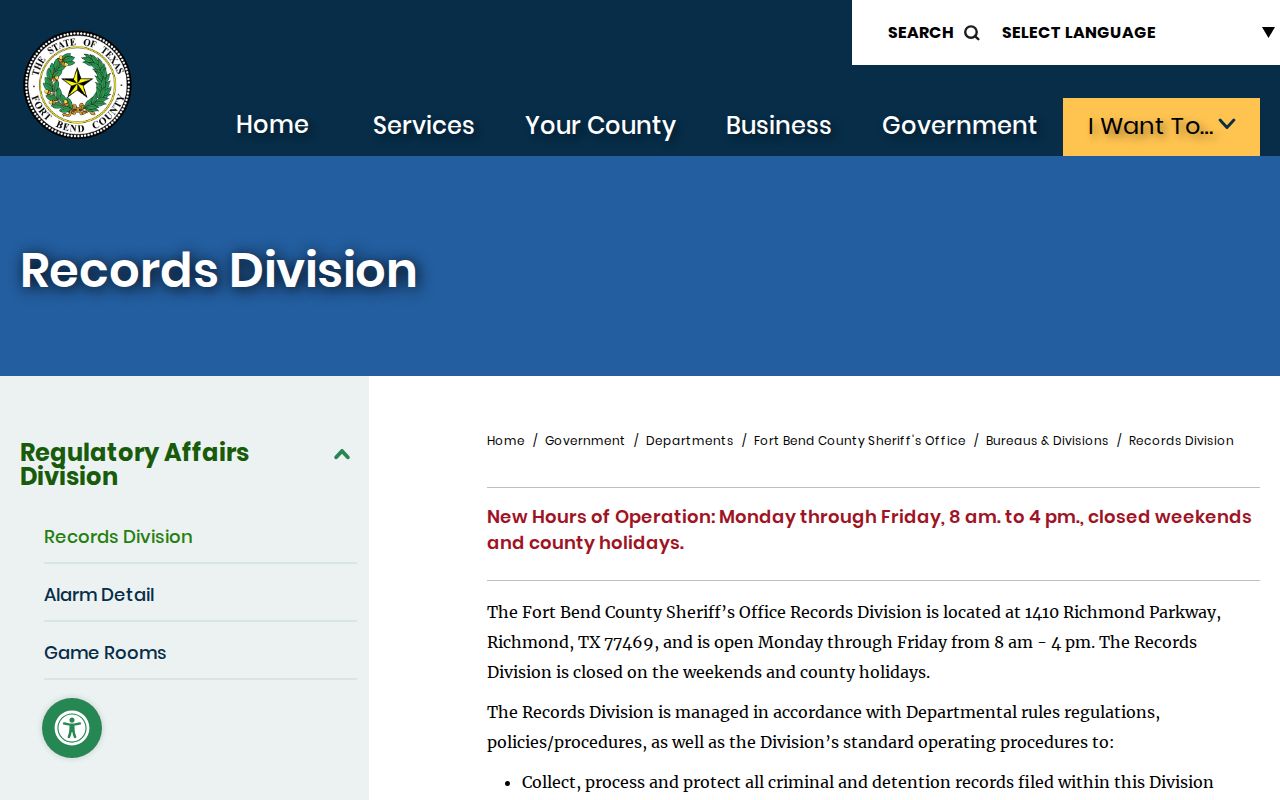
The division's contact page directs arrest-report questions to the staff who hold the Sheriff record rather than detention staff.
FBCSO Records Division
1410 Richmond Parkway
Richmond, TX 77469
Main: 281-341-4625
Supervisor: 281-341-4621
Fax: 832-471-2472
fbcsorecords@fortbendcountytx.gov
Weekdays, 8 a.m.-4 p.m.
Requests must be written. Include the record type, date range, names, address, incident or booking number, and facts that narrow the search. Submit by email, mail to FBCSO, Attn: Records Division, at the lobby address, walk in, fax, or use the FBCSO app. The Sheriff says to allow ten business days for a response, though complex or large requests may take longer. A request received after 4:00 p.m. is treated as received the next business day. The Sheriff's public-information request page lists each written channel and the handling rules.
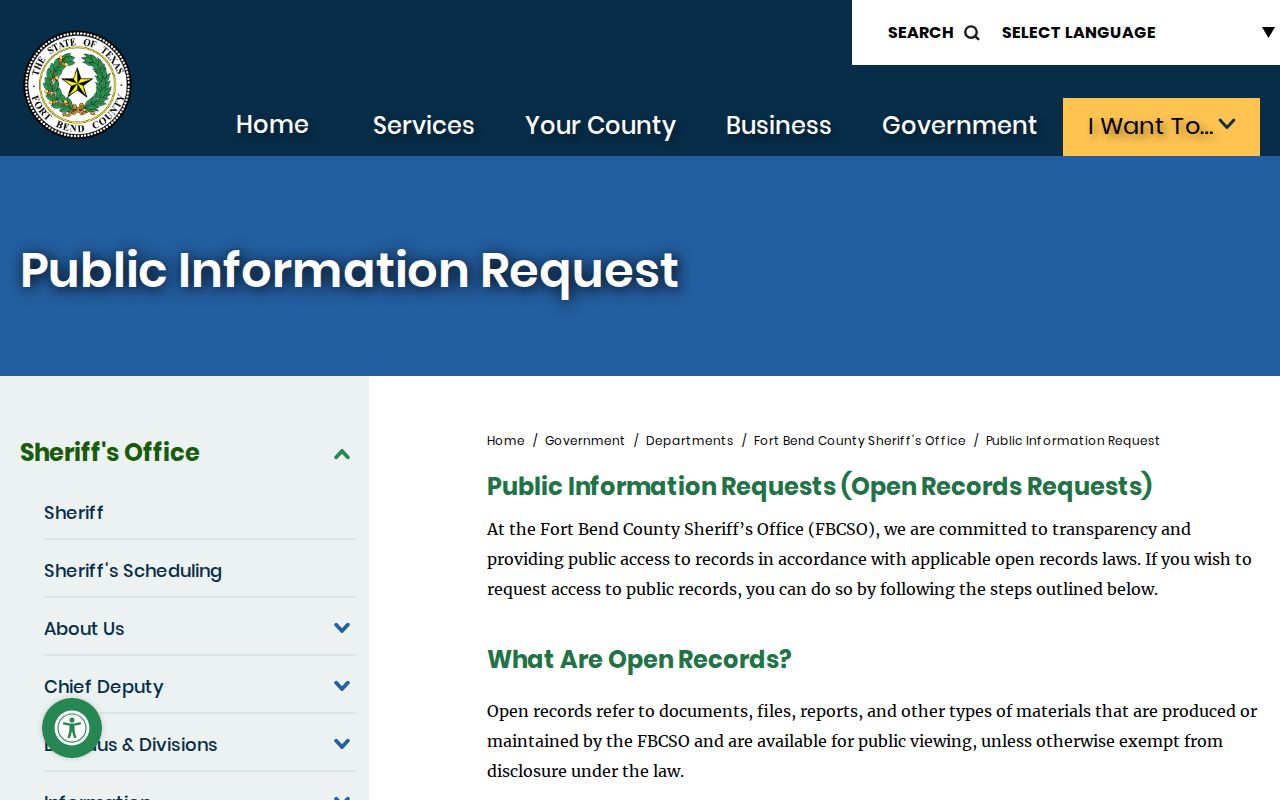
The official request route is the right place for historical Sheriff material that no longer appears in current custody search.
Fort Bend Booking and Magistration
Booking usually moves through identity and intake, property inventory, medical and mental-health screening, photograph and fingerprint capture, charge or hold entry, classification, and magistration. Texas Code of Criminal Procedure Article 15.17 requires the magistrate to advise the arrested person of the accusation and rights without unnecessary delay, generally no later than 48 hours after arrest. Warrantless arrests also require a prompt probable-cause determination. Record flow: Arresting Agency › Fort Bend Booking › Magistrate and Bond › Prosecutor Review › Clerk Case › DPS Disposition Match.
The Fort Bend Detention and Bonding page explains how staff review bonds, orders, judgments, commitments, transfers, and releases.
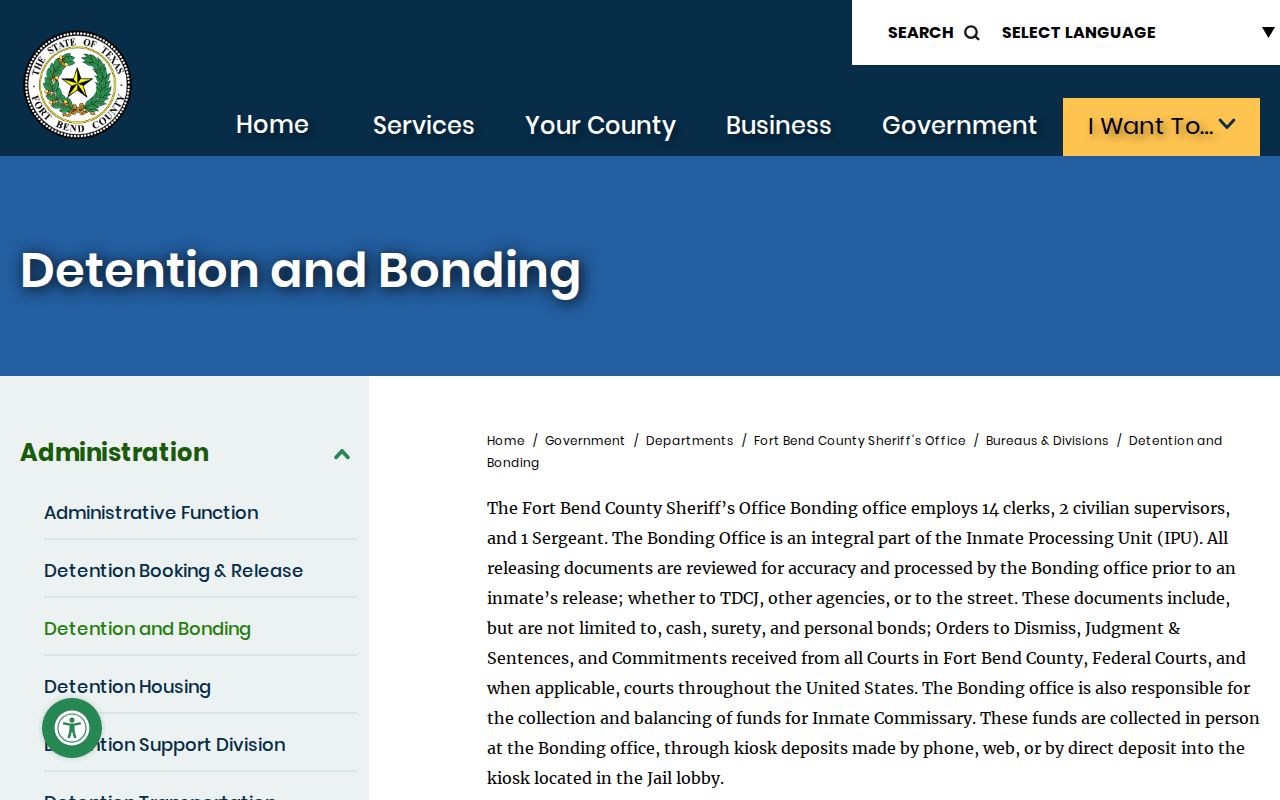
Bonding staff can be reached at 281-341-4619, but the court sets bond conditions and other holds may delay release.
A bond amount on the jail inquiry does not promise immediate release. Another case, hold, transfer order, or unfinished paperwork may remain. The booking entry records custody operations; the signed court order controls the judicial action.
Recent Fort Bend County Bookings
The Sheriff does not publish a separate daily booking-photo blotter identified in the county research. The live jail inquiry is the official recent-booking interface, and the FBCSO mobile app links the same current inmate system. City press releases may discuss selected events, but they are not complete arrest logs. A no-match result should lead to agency and records-request checks, not an unofficial vendor.
The official FBCSO mobile app combines Jail Inquiry, alerts, agency news, contacts, and a public-records route. The jail search also remains available on the web. The app's main benefit is one mobile path and push notices, not a different historical arrest database.
For older booking material, provide the Records Division with a name, date range, booking identifier if known, and the exact item sought. Ask the arresting city or agency for its own report. This keeps the request with the office that created the source record.
After Fort Bend Jail Transfer
A person sentenced to state prison moves outside the Fort Bend County jail locator. Use the TDCJ Online Inmate Search and official contact options after a state transfer. TDCJ also provides email and telephone inmate-information channels. A federal transfer belongs in the federal Bureau of Prisons locator, not TDCJ. VINELink can supplement custody notifications but does not establish the court disposition.
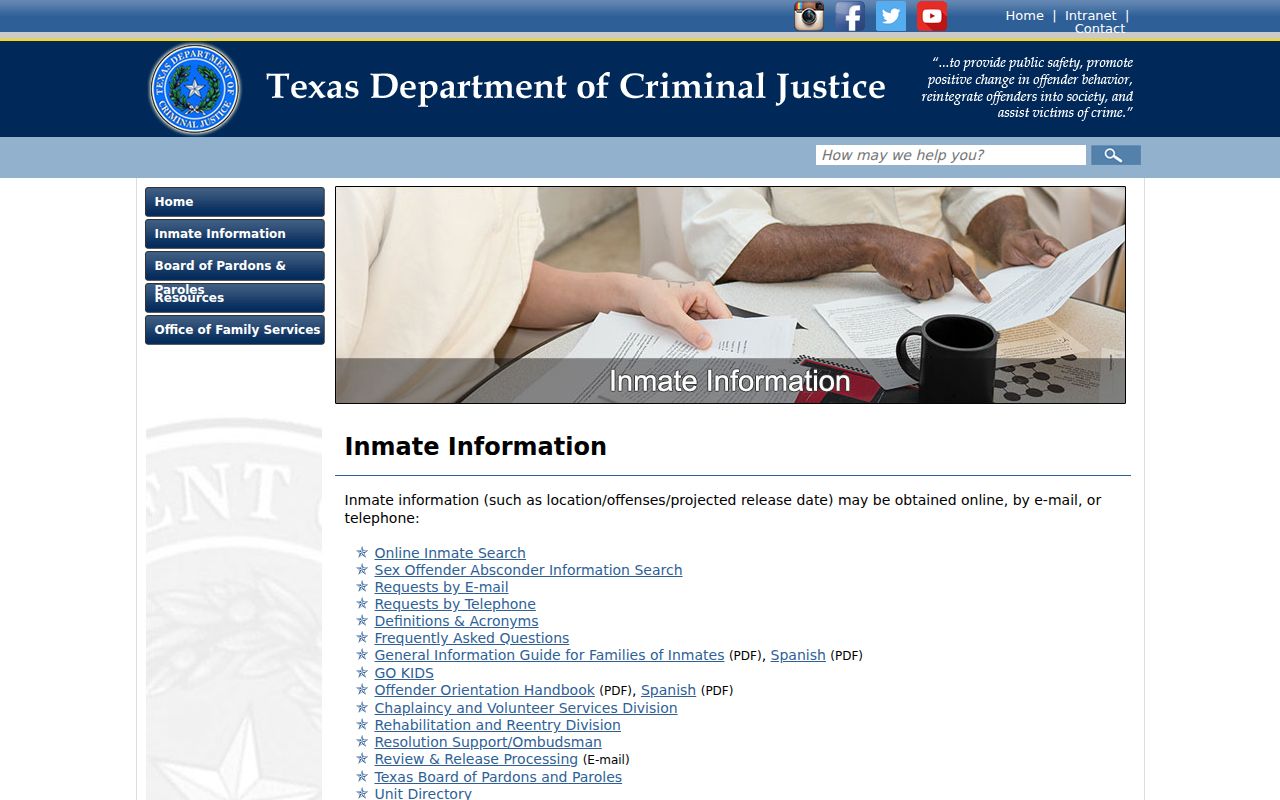
The TDCJ route answers state-prison custody after transfer, while the Fort Bend clerks remain the source for the county judgment.
For statewide history, the DPS Criminal History Name Search returns only the public subset of qualifying arrests with a reported conviction or deferred adjudication. It uses search credits and is not fingerprint-confirmed identity proof. A person reviewing their own more complete Texas record should follow DPS TXIReview instructions and schedule FAST fingerprints through IdentoGO.
Arrest Records vs Conviction Records
An arrest records an accusation and custody based on a warrant or probable-cause process. A conviction follows a judgment of guilt. Between those points, prosecutors may decline or change charges, and a judge or jury may dismiss or acquit. Fort Bend County booking data is useful for locating the custody event, but the clerk's judgment answers how a filed case ended.
| Question | Arrest or booking record | Conviction or case record |
|---|---|---|
| Who holds it? | Arresting agency and Fort Bend jail | District Clerk, County Clerk, or issuing lower court |
| What does it show? | Custody, asserted charge, intake, bond, and release or transfer | Filed charge, docket events, plea or trial, judgment, and sentence |
| Does it prove guilt? | No | Only a conviction judgment establishes guilt |
| Can the charge change? | Yes, it reflects the early allegation | Yes, the filed and final offenses can differ |
| What if dismissed? | The arrest may remain unless legal relief applies | The docket should show the dismissal or signed order |
A dismissal does not automatically erase the agency or booking event. Texas Code of Criminal Procedure Chapter 55A provides expunction for qualifying arrests after the required outcome and timing rules are met. An order of nondisclosure is a different remedy under Government Code Chapter 411. Eligibility depends on the case, so verify the signed order and later check both local portals and the DPS personal record.
Note: An arrest is not proof of guilt, and a booking charge must never be presented as a conviction.